

When it comes to dairy farming, having the right breed of cows is really important. According to statistics, 60% of the success of dairy farming in Kenya depends on the type of feeds and feeding.
In Kenya, the main dairy breeds that have been selected include Ayrshire, Friesian, Jersey, Guernsey, and their crossbreeds.
Friesian Breed

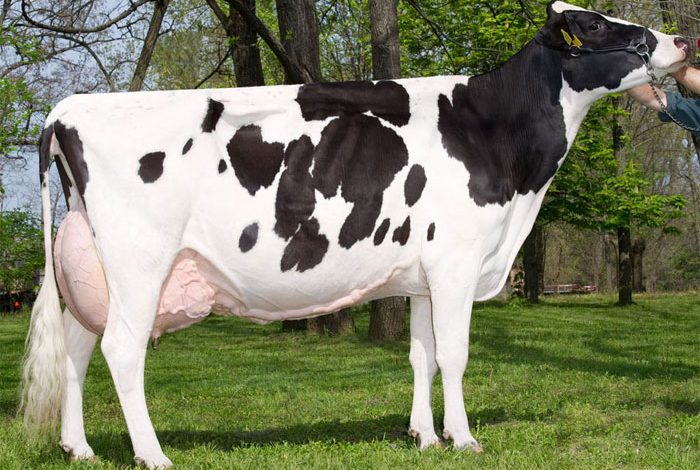
The Friesian cow, also known as the Holstein Friesian, is one of the most popular dairy breeds in Kenya. With its distinctive black and white coat, this cow is widely regarded as a top performer when it comes to milk production. For farmers looking to venture into commercial dairy farming, the Friesian breed offers excellent potential — especially in the Kenyan highlands where conditions are ideal.
Physical Characteristics of the Friesian Cow
- Large Body Size: Friesian cows are among the largest dairy breeds, with mature cows weighing between 500–550 kilograms. Their large frames make them efficient converters of feed into milk.
- Distinctive Black and White Coat: The breed is easily recognizable due to its black and white color pattern, which has become synonymous with dairy farming worldwide.
- Adapted to Highland Climates: Friesians perform best in cooler, high-altitude regions of Kenya such as parts of Central Kenya, Rift Valley, and some areas of Western Kenya.
Milk Production Potential
One of the biggest reasons Kenyan farmers prefer the Friesian breed is its unmatched milk yield. Under proper management, a Friesian cow can produce 40 to 50 litres of milk per day. With good genetics, proper feeding, and health care, this breed can provide farmers with high daily and monthly incomes.
Feeding Requirements
Friesian cows are heavy feeders, and their high milk output is directly related to how well they are fed. Key feeding facts include:
- Daily Intake: The daily dry matter requirement is 16–20 kg DM
- Water Needs: Friesian cows require at least 60 litres of clean water per day, especially when lactating.
To maximize milk production, farmers must ensure a balanced diet that includes quality forage, silage, dairy meal, mineral supplements, and clean water.
Advantages of the Friesian Breed
- High Milk Yield: Ideal for commercial dairy farming with proper care and feeding.
- Fast Maturity: Friesian heifers reach maturity faster and start milking earlier compared to local breeds.
- Market Demand: Milk from Friesian cows is in high demand, and farmers can sell directly to milk processors, cooperatives, or consumers.
Shortcomings and Challenges of Keeping Friesians
While Friesians are productive, they also come with a few challenges that farmers should consider:
- High Feed Costs: Due to their large size and high milk production, Friesian cows consume a lot of feed, which can lead to increased feeding expenses.
- Health Sensitivity: Friesians are more prone to diseases such as mastitis, milk fever, and tick-borne diseases. They also struggle under hot climatic conditions, making them less suitable for arid and semi-arid areas.
- Requires Skilled Management: Proper housing, hygiene, vaccination, and regular veterinary check-ups are essential to keep the cows healthy and productive.
Best Practices for Friesian Dairy Farming in Kenya
- Shelter: Provide a clean, well-ventilated shed to protect cows from heat stress and rain.
- Fodder Planning: Grow your own Napier grass, maize for silage, or invest in drought-tolerant fodder crops to reduce feed costs.
- Record Keeping: Monitor milk output, feed consumption, breeding, and health records to manage performance efficiently.
- Breeding: Use Artificial Insemination (AI) with high-quality Friesian semen to improve your herd’s productivity.
The Friesian cow breed is a powerful asset for dairy farmers in Kenya aiming to scale their milk production. With proper care, nutrition, and health management, Friesians can generate sustainable income and profits, even for smallholder farmers. However, it’s important to weigh their high milk yield against their increased feeding and health management needs.
By investing in training and consistent management, Kenyan farmers can turn Friesian dairy farming into a profitable agribusiness.
Ayrshire Breed

The Ayrshire cow is a strong, efficient, and productive dairy breed that is increasingly gaining popularity among Kenyan farmers. Originally from Ayrshire in Scotland, this breed is known for its adaptability to various climates and its excellent milk production. For farmers looking for a hardy and profitable dairy cow, the Ayrshire offers a great balance between performance and resilience.
Physical Characteristics of the Ayrshire Cow
- Large Body Size: Ayrshire cows are medium to large in size, with an average live weight of around 450 kilograms. Their strong frame supports efficient milk production and easy handling.
- Distinctive Coloration: Ayrshires are easily identified by their brown and white coat, with patches appearing in nearly equal amounts. This makes them visually attractive and easy to distinguish from other breeds.
Milk Production Potential
Under good management, the Ayrshire cow can produce an average of 30 litres of milk per day. While this is slightly lower than the Friesian breed, Ayrshires are often preferred for their consistency, milk quality (higher butterfat content), and ability to thrive in diverse environments. Their milk is ideal for both household consumption and commercial sale.
Feeding Requirements
Ayrshire cows require adequate feeding to maintain health and maximize milk production. Their feed intake is comparable to that of larger breeds:
- Daily Forage Requirement: The daily dry matter requirement is 16–20 kg DM
- Water Intake: Like all high-producing dairy cows, Ayrshires need at least 60 litres of clean water daily, especially when lactating.
To improve milk output, farmers should supplement forage with quality dairy meal, silage, and mineral licks.
Key Advantages of the Ayrshire Cow
- Adaptability to Kenyan Conditions: Ayrshires are hardy animals that perform well across various climatic regions in Kenya — from the highlands to semi-arid zones.
- Disease Resistance: Compared to other exotic breeds, Ayrshires are less prone to diseases such as mastitis and milk fever.
- Longevity: These cows have a longer productive life, meaning more lactation cycles and reduced replacement costs.
- Efficient Feed Converters: Ayrshires can convert relatively lower-quality forage into reasonable quantities of milk, making them cost-effective for smallholder farmers.
Challenges of Keeping Ayrshire Cows
While Ayrshires are relatively easy to manage, farmers should still be aware of a few challenges:
- Moderate Milk Yield: Although their yield is decent, they may not match the peak milk volumes of Friesians, especially for farmers aiming at high-output dairy farming.
- Proper Housing and Care Still Needed: Even though hardy, they still require adequate shelter, deworming, vaccination, and regular health monitoring.
Best Practices for Ayrshire Dairy Farming in Kenya
- Proper Housing: Ensure a clean, dry, and spacious cow shed to prevent infections and stress.
- Fodder Cultivation: Grow fodder crops like Napier grass, desmodium, and maize for silage to reduce feed costs and improve nutrition.
- Breeding Management: Use Artificial Insemination (AI) to improve genetics and maintain a productive herd.
- Health Monitoring: Work with a local vet to vaccinate and deworm the cows regularly.
The Ayrshire cow breed is an excellent choice for Kenyan farmers seeking a balance between milk production and hardiness. Their ability to thrive in different regions, coupled with their moderate feed demands and strong disease resistance, makes them a reliable and profitable breed for both small-scale and large-scale dairy farmers.
With proper care, feeding, and health management, Ayrshires can provide consistent milk income and help improve food security and livelihoods across Kenya.
Guernsey Breed

Characteristics
- Yellow to reddish-brown with white patches around its body
- Adaptable to all climates and management systems
- Milk yield potential of 25 Ltrs per day
- Amount of feed required is 16–20 kg DM
- Needs 40 Ltrs of water per day
Jersey Breed

Characteristics
- Body colour of light brown, though the colour can range from almost grey to dull black
- Average milk production is 20 litres per day
- Nose is black and bordered by almost white muzzle
The choice of the right breed of cows for dairy farming in Kenya depends on a number of factors, including climate, available feed, and desired milk production. The breeds discussed above are all well-suited to dairy farming in Kenya, and each has its own unique advantages and disadvantages.
Learn how to improve your dairy cows to the best breed here.


Author
Discover more from Graduate Farmer
Subscribe to get the latest posts sent to your email.


Hello, I liked your article about the common farming cows and would like to know the average prices for each of the types. kindly provide this information as my desire is to venture in this business in the near future.
Thank you.
Hi James, The prices of the cows vary between 50,000 – 200,000 depending on the genetic potential. Are you planning to buy from a renowned breeder or local market?
Hi,
I am doing farming in 150 acres in naivasha. I would like to get 50 holstein friesian cows to start with. Can I get lists of farms who is selling from a good pedigree cows.
Hello. Search for Baraka Farm Eldoret, Wilsam Farm Eldoret Kapseret, Maraba Investments Eldoret, Baraton University Farm
Hi, Am doing farming and would like to improve my breed .The prices are good for 50k can i get a good dairy cow?
You can buy a local fresian breed then improve the genes though artificial insemination.
You are doing a commedable job teaching us beginers .Cogratulation. The issue has always been how to get the right semen.
Thank you.
You are doing a commedable job teaching us beginers .Cogratulation. The issue has always been how to get the right semen.
Thanks for the great work you guys are doing.
Am an aspiring dairy farmer in Webuye Bungoma county which basically hot and wet. What would be the best breed for such climatic conditions? For a starter how many cows would you recommend for one acre piece of land?
Thank you and best regards.
Does that include structures for the dairy or just for forage/feeds?
Thanks, Total acreage is 1.5acres for both structures and feeds.
Am a 3rd yr student at Kemu and would wish to venture into dairy farming advise on the best breed and where to get them..would wish to start the venture in Naivasha.
I have started dairy farming but I have many changes especially when it comes to choice of high yield cows
Am a beginner cow farmer which recently gave me a very health and strong male calve, which I want to feed well, on maturity I sell and buy another pedigree milking cow. my question, is it okey to feed on dry matter to milking/calving cow, will it reduce milk input?? again my cow had very small teats at calving hence I decided to give the calve to sack now its one month old nad its mother has started hiding milk for me. i struggle to milk while the calve is sacking, am so distressed what gone I do. coz I need both.
Am a beginner cow farmer which recently gave me a very health and strong male calve, which I want to feed well, on maturity I sell and buy another pedigree milking cow. my question, is it okey to feed on dry matter to milking/calving cow, will it reduce milk input?? again my cow had very small teats at calving hence I decided to give the calve to sack now its one month old nad its mother has started hiding milk for me. i struggle to milk while the calve is sacking, am so distressed what gone I do. coz I need both.
Hello, I need advice on where I can buy genuine 5 pedigree Freisian or Fleckvieh heifers and at how much. Kindly advise. I have been learning more of feed and animal management and I am good to go. I visited Kabete Vet Farm but couldn’t get any and was advised to visit Githunguri Farms. Unfortunately, with money and farmers in Kiambu, you can never be sure and that is why I would like your assistance.
am a beginner dairy farmer looking for pedigree jersey heifers in coast counties please advise if u know any farmers there am based in kwale.
There are many more breeds of dairy cows, some of which might be much more suitable under challenging conditions: http://www.makitosha.com/cows.htm
and
http://www.livestockkenya.com/index.php/cattle/300-the-best-tropical-dairy-cows
a begginer where can i get cows of fresian nd jearsey origin nd at how much
hello you can check for cows at cowsoko.com
How do I check the bull semen(straws) for quality? The AI officer will tell you this is kshs 2000, 1500, or 1000. How would you know if they don’t charge you ksh2000 for kshs1000 worth of straw.
hi! am kenneth from kiambu,where everybody owns a cow. i wanted to make a change by having invested in them as my main source of income and job too.am glad to have been following you guys and hoping to make ends meet through cow farming
i am muluken from ethiopia i need to buying Ayhire breed cow then how much the price each cow and how to send to me?
best regured
muluken
Am interested in dairy ,am from trans nzoia county which is the best breed
hello mr mounde,i always advice farms to check on the breed records origin, in transnzoia all types of breed can work very well ,i like you to try ayrshire or holstein friesian.
help me know the right breed that can do well in trans nzoia
nc
Hi, an in Embu county. i want to start dairy. Which is the best breed, at around how much and where within EMBU or neighboring counties
Friesian usually goes for 70K
Hi, am in Embu county. i want to start dairy. Which is the best breed, at around how much and where within EMBU or neighboring counties