
Strawberry Farming in Kenya: Complete Guide for Beginners
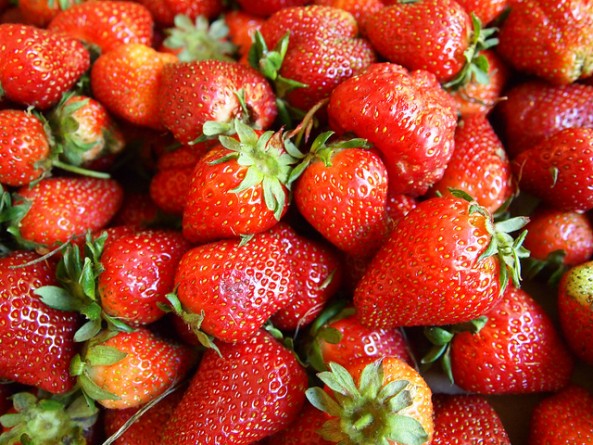
Strawberry farming in Kenya has become an increasingly attractive venture for smallholder and commercial farmers. With the right knowledge, strawberries can offer high returns within a short period, making them an ideal crop for anyone looking to venture into horticulture. Whether you are farming for local consumption, value addition, or export, this detailed guide will walk you through everything you need to know about strawberry farming in Kenya.
Why Strawberry Farming?
Strawberries are loved for their sweet taste, aroma, and numerous health benefits. They are used in making jams, yogurt flavors, cakes, juices, and cosmetics, which makes them a versatile crop in the market. Their increasing demand in urban supermarkets, fresh produce markets, and restaurants makes strawberry farming a profitable agribusiness opportunity in Kenya.
Strawberry Varieties in Kenya
Several strawberry varieties can be grown in Kenya, each with unique traits in terms of taste, productivity, disease resistance, and market preference. The most popular varieties include:
- Chandler – Known for its high yield, large fruit size, and excellent flavor.
- Douglas – Produces sweet, soft berries. Suitable for fresh markets.
- Tioga Selva – A hardy variety with firm berries, ideal for transportation.
- Tristar – An everbearing variety that produces multiple harvests per season.
- Domanil – Suitable for slightly colder areas, produces juicy berries.
- Rabunda – Good resistance to diseases, moderate yield.
- Pajaro – Grows well in Kenyan climates, bears large, sweet berries.
- Tribute – Everbearing type, good for continuous harvesting.
When selecting a variety, consider factors such as climate, water availability, market demand, and disease resistance.
Interesting Facts About Strawberries
Before diving into the technical aspects, here are some quick facts about strawberries:
- Easy to Grow: With proper land preparation, strawberries are relatively easy to manage.
- Grown from Splits: Instead of seeds, strawberry seedlings (called “splits”) are used for propagation.
- Require Small Space: You don’t need vast acres to get started; strawberries can be grown on small plots or even containers.
- Climate: Strawberries thrive in mild to warm temperatures. They are not frost-tolerant and do poorly in very cold climates.
- Longevity: A strawberry plant can produce fruits consistently for about 3 years before replanting is necessary.
Common Diseases in Strawberry Farming
Like many crops, strawberries are susceptible to a few diseases which can affect yield and plant health. As a strawberry farmer, it’s important to be vigilant against the following:
- Fusarium Oxysporum – A fungal disease causing root rot and wilting.
- Botrytis (Grey Mold) – Affects ripening berries, leading to grey, moldy fruit.
- Fusarium Wilt – Similar to fusarium oxysporum, it affects the vascular system of the plant.
- Verticillium Wilt – A serious fungal disease that affects many horticultural crops, including strawberries.
Note: Avoid planting strawberries where crops like capsicum, okra, tomatoes, eggplants (brinjals) were recently grown. These crops harbor the Verticillium wilt pathogen, increasing the risk of contamination.
Requirements Before Planting Strawberries
Before you begin strawberry farming, there are a few critical items you need to prepare. These include both tools and inputs essential for successful cultivation:
Tools and Inputs:
- Capital: Initial investment is needed for seedlings, tools, labor, irrigation, and fertilizers.
- Garden Spades and Trowels: For digging and transplanting seedlings.
- Source of Water: Essential for regular irrigation. Drip irrigation is highly recommended.
- Garden Shears: For trimming runners and leaves.
- Fungicides and Pesticides: To control pests and diseases.
- Packaging Materials: Baskets or clamshell containers for transporting and selling the fruit.
- Strawberry Splits: Get certified, disease-free planting material from a reputable nursery.
Ideal Conditions for Growing Strawberries in Kenya
Strawberries grow best in areas with:
- Altitude: 1500 – 2200 meters above sea level.
- Rainfall: 800 – 1200 mm annually, though controlled irrigation is more reliable.
- Soil: Well-drained loamy soil with pH between 5.5 – 6.5.
- Sunlight: Require at least 6 hours of sunlight daily.
- Temperature: Between 15°C and 30°C. Temperatures below 10°C can delay flowering and reduce yields.
Land Preparation and Planting Process
Proper land preparation ensures strong root development and healthy plants. Follow this detailed step-by-step planting process:
Step 1: Site Selection
Choose a site with good sunlight exposure, well-drained soil, and easy access to water.
Step 2: Bed Preparation
- Raise beds to a height of 20 cm and width of 1 meter. The length depends on the area available.
- Mix well-rotted compost or organic manure at a rate of one bucket per square meter.
- Work the soil to a fine texture to facilitate root penetration and drainage.
Step 3: Planting
- Make holes 30 cm apart within rows, and space rows 30 cm apart.
- Water the bed thoroughly before planting.
- Plant splits such that the roots are well covered but avoid burying the crown too deep to prevent rot.
- Apply mulch around the plants to retain moisture and suppress weeds.
Irrigation Schedule
Watering is critical in strawberry farming, especially during establishment and fruiting stages.
- First Month: Irrigate daily in the afternoon to help the young plants establish.
- After One Month: Water 2–3 times per week depending on rainfall and soil moisture.
Avoid overhead irrigation during fruiting to prevent fungal infections. Drip irrigation is ideal for consistent moisture and disease control.
Crop Management and Maintenance
To achieve high yields, routine crop care practices are necessary:
1. Weeding
Weeds compete for nutrients and harbor pests. Hand weeding or mulching helps keep them under control.
2. Mulching
Besides controlling weeds, mulch retains moisture and keeps berries clean.
3. Flower Removal
Remove all flowers in the first two months to prevent early fruiting. Premature fruiting reduces plant vigor and overall yield.
4. Fertilization
- Apply foliar feeds (rich in potassium and phosphorus) during flowering and fruiting.
- Top dress with organic manure every 3 months for soil fertility.
5. Pest and Disease Control
Use appropriate fungicides and insecticides as needed. Regularly monitor for signs of diseases and act quickly.
Harvesting Strawberries
Strawberries are ready for harvest 2½ to 3 months after planting. Fruits are harvested when they are fully red and ripe.
- Harvest in the early morning or late afternoon when temperatures are cool.
- Handle berries gently to avoid bruising.
- Sort and pack immediately into clean, ventilated containers.
Harvesting continues for up to 3 years if the plants are well-maintained.
Thinning and Rejuvenation
Every 7 months, the plant should be thinned to 2–3 splits per crown. This prevents overcrowding and allows the plant to rejuvenate, promoting higher yields in subsequent harvests.
Remove old leaves and runners regularly. Runners can be used to propagate new seedlings or controlled to prevent energy loss from the main plant.
Marketing and Value Addition
Strawberries have many uses and can be sold in various forms:
- Fresh Market: Supermarkets, green grocers, local markets.
- Value Addition: Jams, juices, yogurts, dried strawberries, cosmetics.
- Direct-to-Consumer Sales: Via social media, home delivery, farm stands.
Tip:
Package your strawberries attractively in clamshell containers or baskets. Label your produce to stand out in the market.
Economic Potential of Strawberry Farming
A small plot of 1/8 acre can hold about 1500 strawberry plants. Each plant can produce 250g to 500g of strawberries per harvest. With 3–4 harvests per year, a farmer can earn a substantial income.
Example:
- 1500 plants × 0.5kg/plant/year = 750kg
- 750kg × Ksh 300 per kg = Ksh 225,000 per year
- Minus inputs (approx. Ksh 50,000) = Profit of Ksh 175,000 annually from 1/8 acre.
Challenges in Strawberry Farming
Despite the potential, there are challenges to consider:
- High perishability: Strawberries spoil quickly. Prompt harvesting and storage are essential.
- Pest and disease pressure: Requires frequent monitoring and control.
- Market saturation: During peak season, prices may drop. Diversifying through value addition helps.
- Lack of knowledge: Many first-time farmers struggle due to lack of training.
Final Tips for Successful Strawberry Farming in Kenya
- Start Small: Learn the process before scaling up.
- Keep Records: Monitor costs, inputs, and production.
- Get Training: Attend agricultural seminars or talk to experienced farmers.
- Network: Join farmer groups or cooperatives for better market access.
- Invest in Irrigation: Especially during dry seasons to ensure consistent production.
Conclusion
Strawberry farming in Kenya offers a lucrative opportunity for those willing to put in the work and learn the craft. With just a small piece of land, proper planning, and care, you can produce high-quality strawberries for both local and export markets. Whether you’re a beginner or an experienced farmer looking to diversify, strawberries are a sweet investment to consider.
Did You Find This Guide Useful?
We’d love to hear from you! Kindly leave a comment below or share this article with a friend who wants to venture into profitable strawberry farming in Kenya.
About boit



Comments (55)
Okay. say i have decided to grow the strawberries. where do i sell them??
Hello. If you are looking for market you can submit your products on http://www.mkulimayoung.co.ke. This will enable you to get access to customers easily.
I’m happy and wiling to plant strobbery but wheredo iI get seeds or seedlings?
Kindly can it grow well around Kisumu?
Any connections in Siaya?
Advice me if i do strawberry farming where the market,
Jam processing is a very good way to market strawberries. This is because it adds value to the produce and increases the shelf life. Adding value will also increase your income.
Approach supermarkets in your area to get an order. You can then supply your produces needed.
Fruit stalls in the urban areas are also good spelling points.
Big hotels use strawberries for dessert and toppings
I have some expertise in food processing equipment design. Can i grow strawberries and sell the final product at the same time?
am interested in strawberry farming. is it advisable to farm in lari(near limuru) which is very cold.
can strawberry grow on black cotton soil?
yes
Hey. You have to test your soil with soilcares.com to get full analysis.
Thanks for the informative post! I am really interested in growing strawberries, but I don’t have any background about it. Greetings
nice…..can i do strawberry farming in my garden kitchen.
Hi what kind of fungicide and pesticides should be used and where can they be purchased from in Nairobi? Kindly be specific with names. Thanks a lot for the info.
Can u ship the seedlings to me from Kenyan and what’s the cost?
Hello. Sorry but we do not sell the seedlings
hi guys i help farmers to plant strawberry and i sell the seedlings and plant for you,whatsapp/call 0728687401
Where are you located?
Hi john.I intend to plant strawberries in my greenhouse of 8m x 30m in mbeere area of Embu county.Pls advice me on the cuttings required,availability pls
Hey John, I want to start strawberry farming in my back yard. Can you please help me out.
Sure. What would you like to know?
Where do u stay
where can I getting the packaging punnets for strawberry fruits. I am in Eldoret
Check with Dels Farm located in Kapeseret
where can i find straw berry seedlings in eldoret
Check with Dels Farm located in Kapeseret
Where can i purchase planting splits of chandler hybrid( nearest to me)? Am in Vihiga county.
good
what is the noon and night temperature in kenya? is this strawberry planta grow at high kand where temp cooler or it grow in low land area?
Thanks for useful information
Which variety is best for kisumu and where can l get splits and what is best season for planting
Very useful info… Thanks
Where can I get the strawberry splits in Nyeri.I also need the soil tested.
great idea I grow strawberry but I doubt the size how can get Chandler variety at Kericho
Which specific fungicides are used for strawberries?
How do I get seedlings??
can i get seedlings in kitale
Am really interested in this kind of farming the strawberry. I want to start in limuru. Plz can I know u more through your number please if you dont mind.please
How can I get the ideal seedlings for Nakuru
can strawberry farning succeed in kakamega county
can strawberry farming succeed in kakamega
Thank you! It`s very practical and informative instruction for growing strawberries.
But if I live in the region where the rains are constant and the temperature reaches a maximum of 15-20 degrees. How it will affect the quality of the crop? And what ways to planting the crop you can recomend?
that’s a very good information am trying the chandler but I have problems with botryties
where can I get strawberry splits in Nairobi?
that’s very useful information, where can i get a one on one training on this farming.
Can strawberry farming survive in towns like Eldoret
Yes
Good job.Kudos!
Thank you Kimani 🙂
Good idea….!
Starting mine soon in tharaka though worried of the market.
Starting small will help you to test the market and look for suppliers.
Hey
My name is James.I would like to know where I can get strawberry splits.
0720120717 Momanyi. Call this guy
Hi,
Thank for this useful information.
Where can I get seedlings and what are the costs?
Good people feel free to reach me via whatsapp at 0748323628. My company deals in strawberry farming and marketing for anyone interested to invest in the venture. We are located at Mumbi House in Nairobi CBD along temple road room 124B